Best Dal Bukhara in the world!
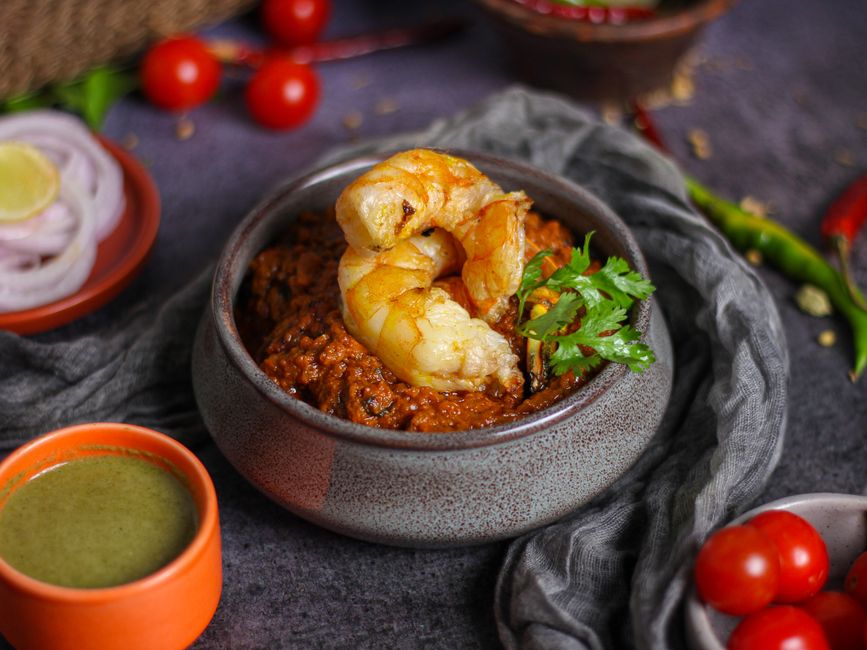
The Dal Bukhara here is legendary for a reason. Cooked for 48 hours, it melts in your mouth. The kebabs are equally outstanding. Worth every penny.
AI45
Ananya Iyer
Bukhara ITC MauryaWhere History Meets Modernity
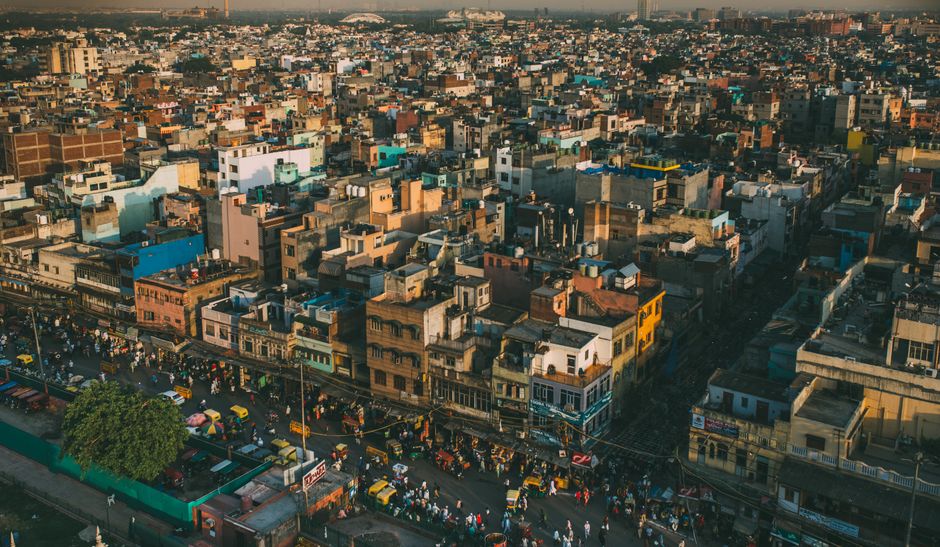
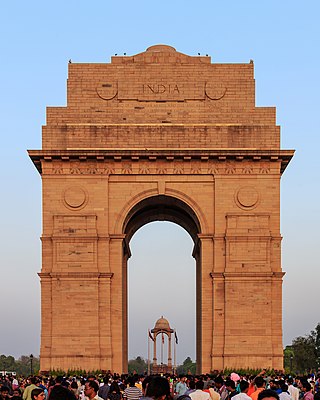
Delhi, India's capital, is a city of contrasts where ancient Mughal monuments stand alongside modern architecture. From Red Fort to India Gate, Chandni Chowk to Connaught Place.
Every city links to its own guide with local stays, food and experiences.
Ranked by verified listings — tap a city for its full local guide.
Verified businesses ranked by the platform trust score — reviews, reliability, service and value. No pay-to-win ordering.


Real, moderated reviews from customers who booked and visited — verified bookings flagged separately.
The Dal Bukhara here is legendary for a reason. Cooked for 48 hours, it melts in your mouth. The kebabs are equally outstanding. Worth every penny.
The Oberoi Delhi is stunning. The rooms are spacious with beautiful views. The spa is world-class and the restaurants are excellent.
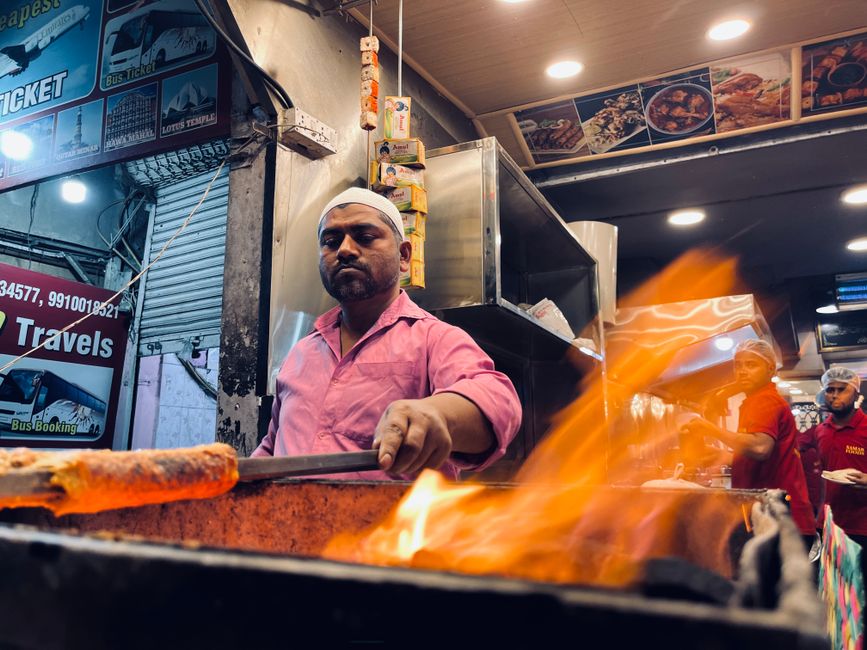
The Mutton Burra and Chicken Jahangiri are iconic. The Old Delhi atmosphere adds to the charm. Can be very crowded during peak hours.
1,203 verified listings across 4 categories — stays, dining, travel agents, wellness and transport.
Filter by property type — houseboats, resorts, heritage homes and more. Trust scores come from verified reviews.
Shown in the platform's curated featured order — filter by interest to narrow the list.
 Architecture
 Monuments
 Monuments
 Architecture
 MonumentsArchitecture
 Monuments
 Architecture
 Monuments
 ArchitectureArchitecture
 Architecture
Restaurants and eateries across the state, with cuisine, price band and ratings.
Every other category the platform has verified in Delhi — each with its own top listings, ranked and photo-first.
Licensed agencies and custom trip planners
34.914.311.611.4 11.4
11.4 11.4
11.4 11.4
11.4 11.4
11.4 11.4
11.4Airport transfers, day cabs and car rentals
 11.0
11.0 11.0
11.0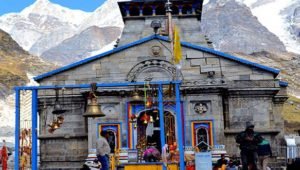 11.0
11.0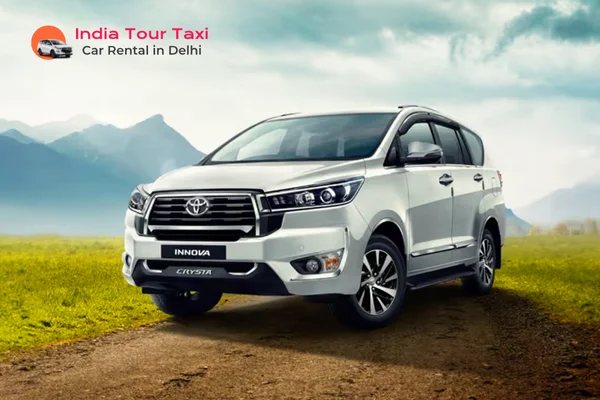 11.0
11.0 11.0
11.0 11.0
11.0 11.0
11.0What to eat, when to celebrate and how to travel respectfully.
Traditional Delhi cuisine at a local restaurant
Chaat · Samosa · Local Street Food · Regional Specialty
Major cultural festival celebrated across Delhi
Traditional harvest celebration
Every business gets a 0–100 trust score built from verified signals — not from who paid the most. Paid placements are always labelled.
Signals are weighted and combined into a single score, refreshed daily.
Where a score places a business against its peers.
Featured and Popular placements are promotional and always carry a label — the trust score itself is never bought.
Everything you need to turn intent into an itinerary.
Delhi, India's capital, is a city of contrasts where ancient Mughal monuments stand alongside modern architecture. From Red Fort to India Gate, Chandni Chowk to Connaught Place.
The best time to visit Delhi is October to March.
1 cities, 166 stays, 1 places to eat and 12 attractions — all in one verified guide.